

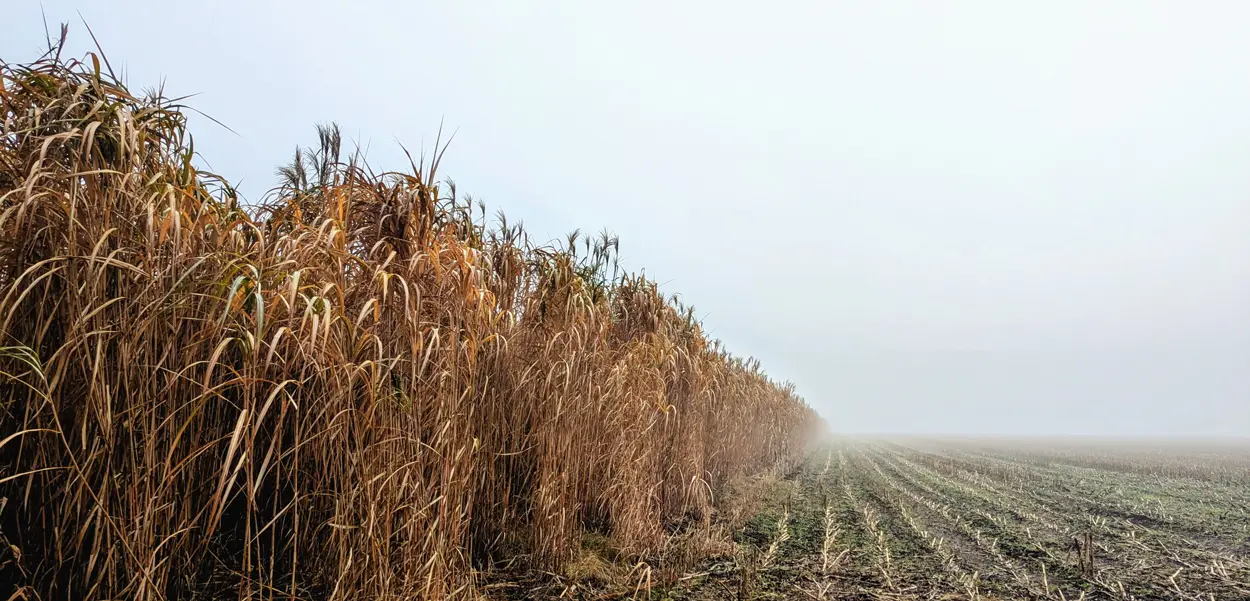


MERIT is contributing to Ukraine’s resilience and reconstruction efforts.
Miscanthus Energy for a Resilient and Inclusive Transition
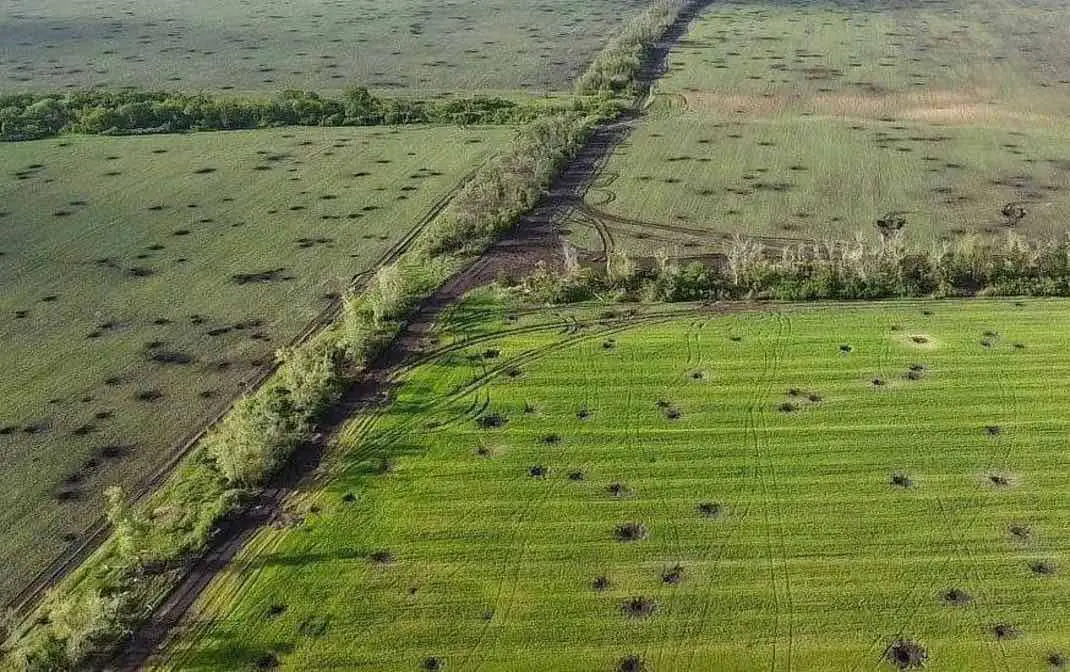
The MERIT Project aims to grow Miscanthus on abandoned and war-torn land. The resulting biomass will be supplied to renewable energy plants and be a sustainable feedstock for advanced construction materials.
The project addresses five key challenges:
- ensuring energy security
- rehabilitating land
- revitalising the rural economy
- creating jobs for returning soldiers
- keeping reconstruction funds within the domestic economy
Full project title
MERIT – Miscanthus Energy for a Resilient and Inclusive Transition
The project’s dedicated website
Project focus
MERIT’s innovation lies in adapting existing biomass technologies and identifying suitable Miscanthus genotypes for Ukraine’s climate.
Field trials will determine the best-performing varieties under local soil conditions. To replace existing labour-intensive planting methods ill-suited for Ukraine’s vast landscapes, MERIT will develop precision mechanised planting techniques compatible with local machinery.
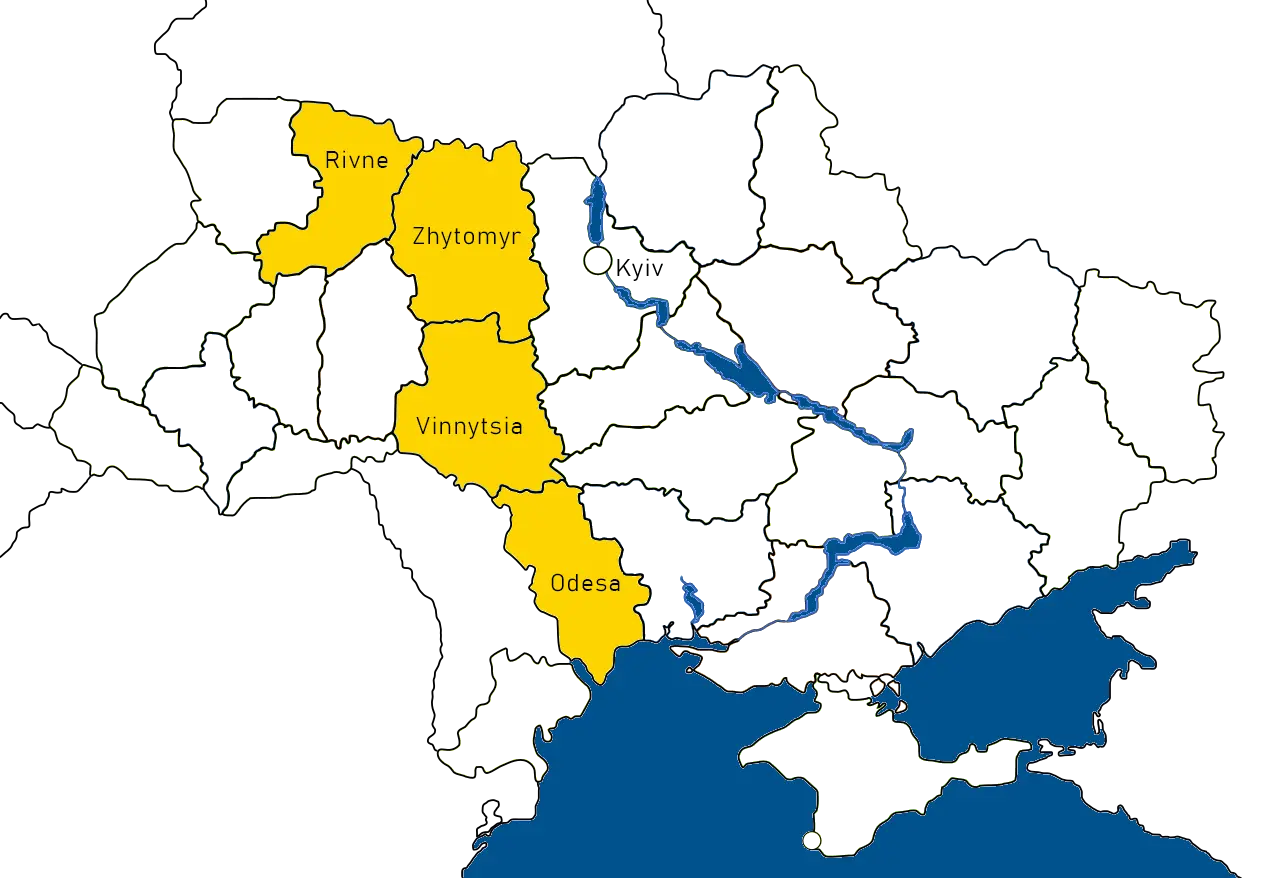
The project will focus on trials in the Rivne, Zhytomyr, Vinnytsia and Odesa oblasts, which represent a cross-section of all climatic zones and soil conditions.
Project duration
1 December 2025 to 30 November 2027
Sponsor
InnovateUkraine programme and funded by the FCDO (Foreign, Commonwealth and Development Office) and UK International Development
Partners
The MERIT project is led by Terravesta and involves partners experts in their respective fields Miscanthus Technology (farming, biomass processing, commercialisation), Frendt (remote monitoring and automation), Liverpool John Moores University (agronomy, phytoremediation).
Project valued at
£1.9 million
Project summary
By cultivating Miscanthus, a low-maintenance perennial crop, MERIT is leveraging Ukraine’s vast agricultural potential – an industry that comprises 10% of GDP, 15% of employment and 40% of exports. With an estimated 2 million hectares of arable but contaminated land, Miscanthus cultivation provides a viable phytoremediation strategy while creating income streams for rural communities, in which one-third of the population lives.
The biomass will be used to produce pellets for distributed heating, straw bales for energy generation and green material for biogas production. The fibres will further support the production of construction materials vital for infrastructure reconstruction, while offering long-term carbon storage as an added benefit.
However, replicating Western European value chains and agronomy pratices is insufficient. Ukraine’s agricultural context, characterised by distinct machinery availability, harsh climates, war-contaminated soils, and the legacy of vast post-Soviet farming structures, demands innovation in cultivation, harvesting and processing, as well as in business models. Scalable approaches for farms from hundreds to hundreds of thousands of hectares, far beyond current European practices, are essential.
More about this project
- Visit the project’s dedicated website: www.projectmerit.net
- The Farming Show with Steve Orchard (Podcast) – lincs sound – episode 25 (21Dec25)
- Miscanthus to help power Ukraine’s energy recovery (BioEnergy pag. 22, Jan/Feb26)
- UK-backed MERIT project to rebuild Ukraine’s energy system using Miscanthus on abandoned land (BioEnergy Times, 10Dec25)
- New project to boost Ukraine’s energy security using Miscanthus biomass (BioEnergy Insights, 9Dec25)
- New Project Will Support Ukraine’s Energy Security with Miscanthus Biomass (Renewable Energy Magazine, 8Dec25)
