

Agricultural Biomass
Harnessing the power of Miscanthus
What is Miscanthus?
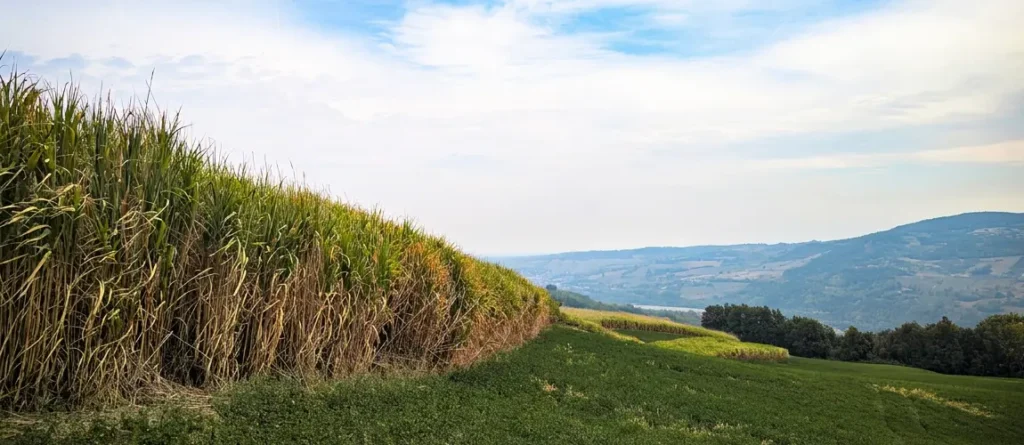
Miscanthus is a fast-growing perennial grass that serves as an ideal biomass crop for renewable energy production, sustainable farming, and environmental benefits. Known for its high yields and low input requirements, Miscanthus is transforming the future of clean energy.
- High-yield perennial grass
- Grows on marginal lands
- Requires chemical inputs only during establishment
- Suitable for biofuel, biogas, and carbon sequestration

Why choose Miscanthus as biomass?
Environmental benefits
- Carbon-neutral energy source
- Promotes soil health and biodiversity
- No annual plowing/tilling, no application of chemicals
- Reduces greenhouse gas emissions
Economic advantages
- Cost-effective energy crop with minimal maintenance
- Reduces reliance on fossil fuels
- Profitable option for farmers on underutilized land
Versatility
Miscanthus biomass is useful in many industrial processes. It is cheap to produce, which makes it competitive in several sectors. Its uses include the generation of energy and physical materials.
Carbon footprint
Miscanthus is one of the most carbon-efficient crops available. It is genuinely net carbon negative, meaning it removes more CO₂ from the atmosphere than it emits during cultivation (net 2,35 t / ha / year).
How is Miscanthus grown and harvested?
Miscanthus cultivation requires minimal inputs. It is a perennial crop and harvested annually once established.
- Planting: Miscanthus rhizomes are planted in spring.
- Growing: Rapid growth with little maintenance until the end of autumn.
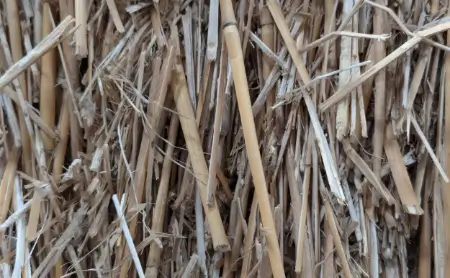
- Harvesting: Harvested in late winter in the following year when the moisture content is low.
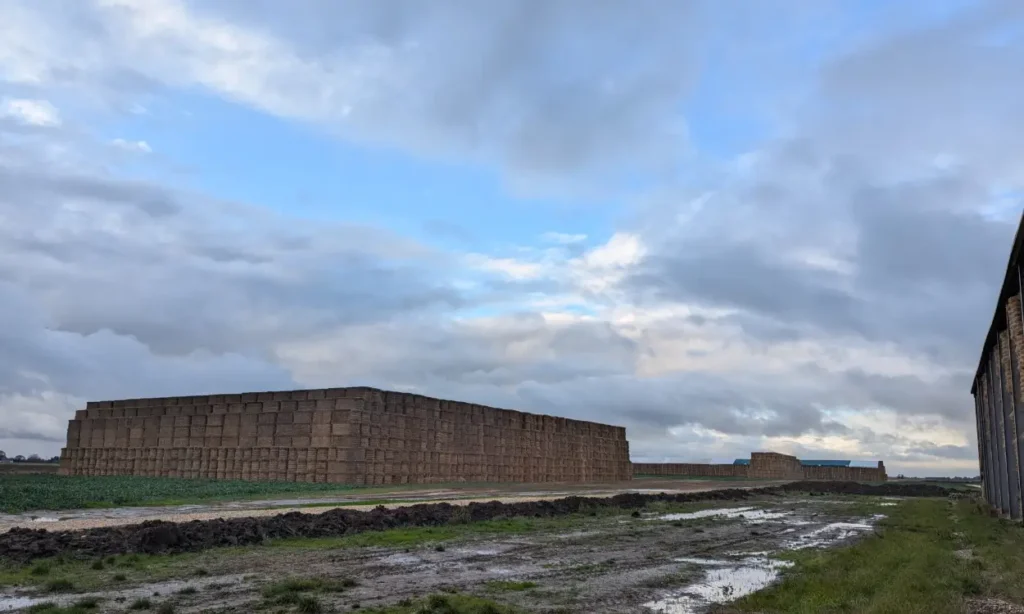
- Storage: Baled and covered from above, storage on-field for many months is possible.
- Transport: Up to 22 tons of baled Miscanthus fits onto a lorry typically.
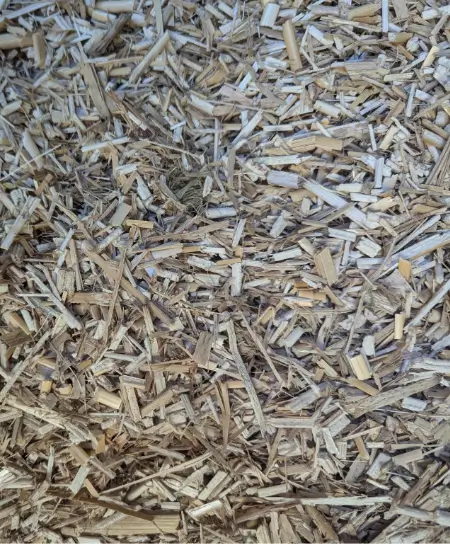
- Processing: The bales are opened, cleaned and dedusted before being converted into energy or bioproducts.
Composition of Miscanthus biomass
Miscanthus is prized as a biomass and energy crop because of its high cellulose content, low ash, low nitrogen, and high biomass yield per hectare.
Composition varies significantly by species, harvest time, soil type, climate, and plant age.
Winter-harvested Miscanthus tends to have higher cellulose and lower ash/nitrogen, making it preferable for both combustion and biorefinery applications.
Structural carbohydrates (the bulk of dry matter)
Cellulose
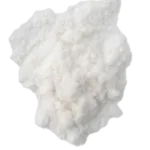
40–50% of dry matter
The primary structural polysaccharide (glucose chains); highly valuable for bioethanol production.
Hemicellulose
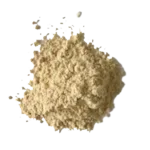
20–30%
Mostly xylose-rich polymers typical for grasses; more easily hydrolyzed than cellulose.
Lignin
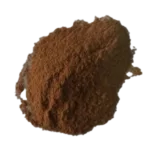
10–25%
A complex polymer that provides structural rigidity; useful for combustion or as a chemical feedstock.
Ash and minerals
The ash content at 2–5% is much lower than many other biomass grasses like switchgrass. Its composition includes silica (SiO₂), potassium, calcium, chlorine and other minerals. Low ash is advantageous for thermochemical conversion. Terravesta Miscanthus Athena (TM), the hardy genotype for northern climates, features very low ash content of 1-2% and is therefore much preferred by our bioeneregy customers.
Extractives and other components
Further components include water, fresh biomass can be 50–70% moisture – cut material typically <15%, proteins (2–5% of dry mass), lipids/waxes (1–2%), present on the surface of the stem rendering the biomass largely water-repellent and soluble sugars and starch, minor fractions, which vary by harvest timing.
Key elemental composition (dry matter basis)
- Carbon (C) 46–50%
- Oxygen (O) 41–44%
- Hydrogen (H) 5–6%
- Sulfur (S) <0.1%
Applications of Miscanthus biomass
Bioenergy
- Biofuels: Sustainable feedstock for liquid biofuels.
- Biogas: Contributes to anaerobic digestion.
- Solid Biomass: Pelletised for heat and power generation.
Industrial applications
- Pulp & paper as well as packaging
- Sustainable construction materials
- Non-woven textiles
- Bio-chemicals and bio-plastics
- Fibre for pet food
- Xylose-oligosaccharides (pharmaceutical)
Agricultural applications
- Bedding material for horses, pigs, chicken, cows and pets
- Mulch for use in glasshouses, parks and peat-reduced growing media

Frequently Asked Questions
What makes Miscanthus a sustainable biomass crop?
Miscanthus requires minimal inputs, grows on marginal land, and provides high yields, making it environmentally and economically sustainable.
How much land is required to grow Miscanthus?
Miscanthus grows on underutilised or marginal lands, where it maximises land productivity without competing with food crops.
How is Miscanthus harvested and processed?
Miscanthus is usually harvested in winter, baled and then processed into bio-fuels, biogas or solid biomass pellets.
Continue reading about Miscanthus…
<< Why Miscanthus? | >> CLICC – Circular low-input carbon crop
Ready to embrace sustainable biomass?
Explore how Miscanthus biomass can work for you.