Last Updated on October 19, 2026 by Sophie Wilesmith
Renewable energy in agriculture consultant Jonathan Scurlock explores how Miscanthus could offer farmers a practical, long-term alternative as government support for environmental land management fails UK farmers.
Demand is expected to rise for sustainable British biomass feedstocks aimed at a number of significant end uses, as the UK transitions to a low-carbon and ultimately net zero future. Growth in the supply of Sustainable Aviation Fuels (SAF), biomethane to displace fossil natural gas, and carbon dioxide removal services such as BECCS and biochar, will require a robust domestic biomass sector as well as well-managed sources of imported biomass. Energy crops from agricultural land look increasingly likely to become an important part of national energy security at a time of growing concern about fuel and electricity prices for domestic, commercial and industrial users – and a potential source of supporting income for some farmers, given the significant shortcomings of the Sustainable Farming Incentive.
Britain’s domestic market for primary or ‘virgin’ bioenergy feedstocks is relatively poorly developed compared with many other countries, and presently dominated by annual rotational crops for anaerobic digestion (biogas) on about 100,000 hectares of land – just 2% of cropland, or a fraction of one percent of utilised agricultural area (UAA). The limited extent of UK forest and woodland area (13.5% of total land, one of the lowest rates in Europe) means that biomass sourced from agricultural land will be arguably more important strategically than in neighbouring countries like France and Germany (both about one-third forested), notwithstanding the UK forest sector’s ambitious but faltering targets for new woodland planting.
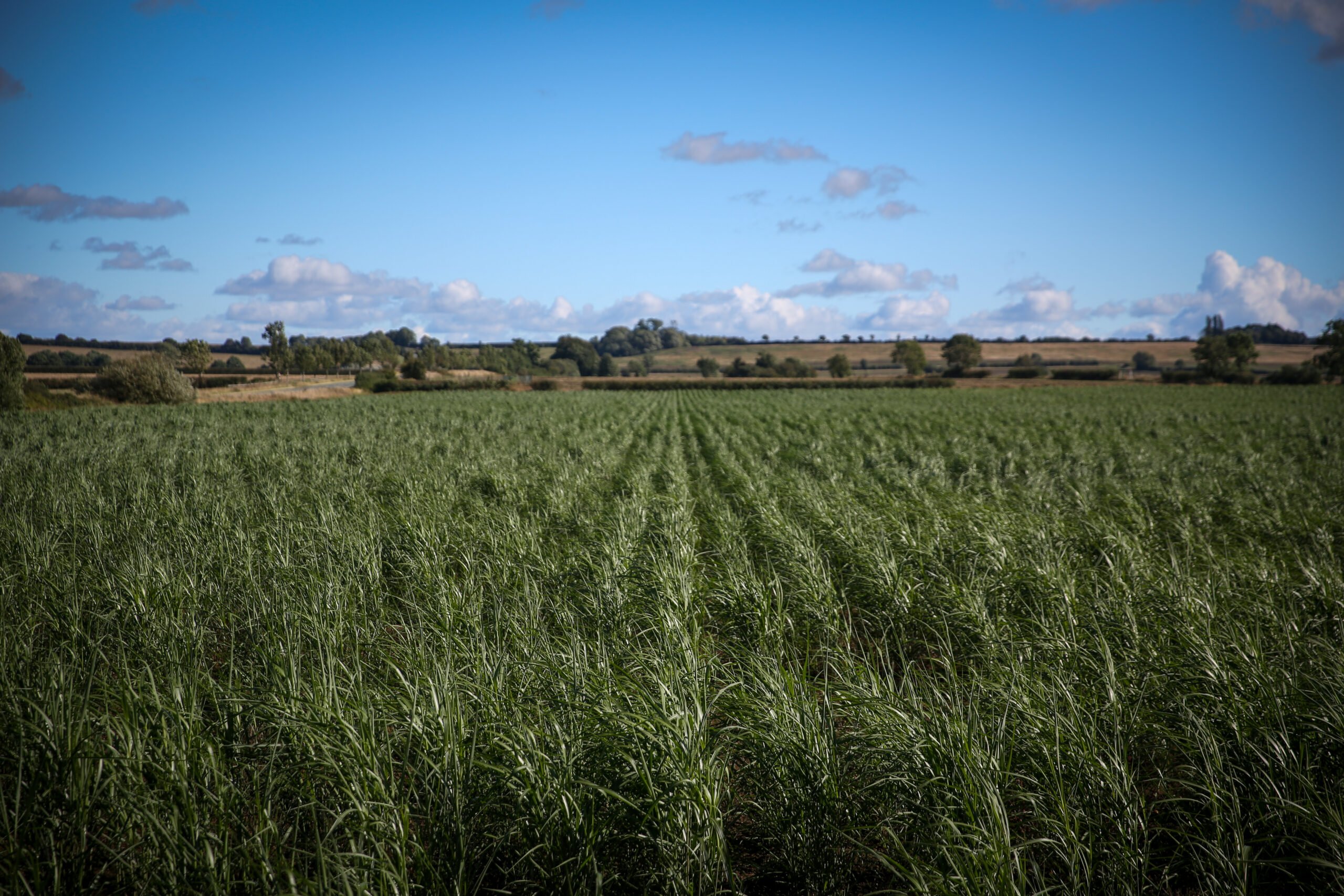
Perennial energy crops like miscanthus and short rotation coppice willow are generally grown on poorer quality agricultural land – but their current extent in Britain is modest, at little more than 10,000 hectares (less than 0.1% of UAA). While they may not appeal to every farmer (notably those without long-term land tenure, under farm tenancies or contract farming agreements) these crops offer potentially stable diversification of farm income, together with multi-purpose land use which can provide game cover, harbour biodiversity and perform other ecosystem services such as slowing floodwaters or capturing diffuse pollution. It is surprising, therefore, that the attributes of perennial crops are not more widely recognised under the agri-environmental support mechanism that has now replaced the majority of farm support in England – the Sustainable Farm Incentive (SFI). Introduced in a pilot phase some five years ago, then restructured and ‘rationed’ in 2023-24, paused in 2025 and finally offered in 2026 in a chaotic roll-out that exhausted available funding in a matter of hours, the SFI has been a source of disappointment and frustration for many farmers, provoking strong criticism of unfair queuing systems, malfunctioning IT, and resulting in a complete inability for many farmers to engage in long-term business planning.
Compared with the current horrors of Defra support, other forms of diversified farm income are looking increasingly attractive. As an annually harvested energy crop, growing of miscanthus may be particularly suited to an arable enterprise that can use existing machinery for some aspects of its agronomy. In the longer term, a broadening miscanthus supply chain is expected to expand into the conversion of accessible pasture land, bringing a new source of income to the livestock sector as well.
Past government policy, as well as independent advice from the Climate Change Committee, has projected the expansion of land for energy crops (annuals in rotation as well as perennial crops like miscanthus) to as much as 700,000 hectares by 2050. Still only 4% of UAA, such a planted area would yield a domestic annual supply of around 7 million tonnes of biomass feedstock, meeting a variety of energy and decarbonisation needs.
Perennial energy crops were first identified by the ETSU (Energy Technology Support Unit – an agency of the Department of Energy in Harwell, Oxfordshire), in response to the oil price shocks of the early and late 1970s. By the mid-1990s, numerous reports had already been published on their combustion characteristics, yield potential, energy balance and environmental co-benefits. Further and ongoing studies have added to decades of academic and government research literature. The time is right to follow this up with commercial deployment at scale: an initial goal of boosting planting rates to the order of 10,000 hectares per year would be a good start.
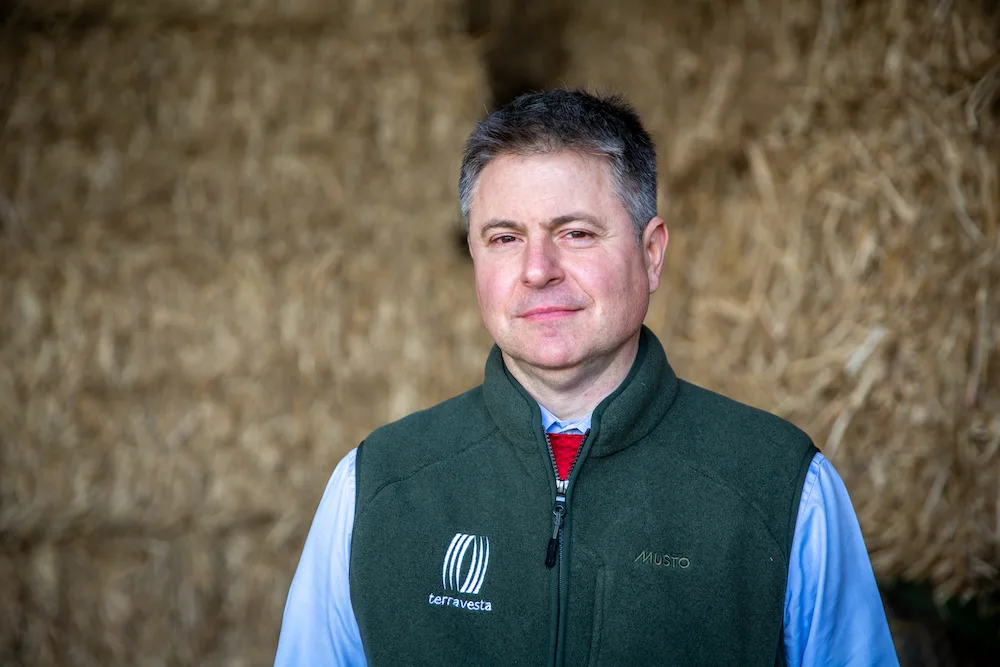
Dr Jonathan Scurlock FRSA
Founder, Renewable Energy in Agriculture consultancy
Dr Jonathan Scurlock FRSA is founder of the consultancy Renewable Energy in Agriculture. Formerly Chief Adviser on renewable energy and climate change at the National Farmers’ Union, he spent nearly 20 years as a leading authority on energy policy, net zero and agri-technology in British agriculture. Dr Scurlock has over 35 years’ experience in bioenergy, solar, wind power, climate change and the global carbon cycle, and is the author of more than 50 research papers and book chapters.