Last Updated on November 23, 2026 by Sophie Wilesmith
In Ukraine, there is a serious shortage of workers. The war has had a profound impact on the country’s population and workforce, with many Ukrainians serving in the armed forces and others having left the country. The Ministry of Economy has projected a shortfall of more than 606,800 skilled workers, with between 4.5 million and 5 million workers needed to support the country’s reconstruction and economic recovery. This has reshaped the workforce, with women taking on broader responsibilities and contributing to areas of work that have traditionally been male-dominated.
In agriculture, particularly in rural communities, this shift is creating a greater need for training and support to equip women with the skills to operate machinery, use agricultural equipment and fill managerial roles.
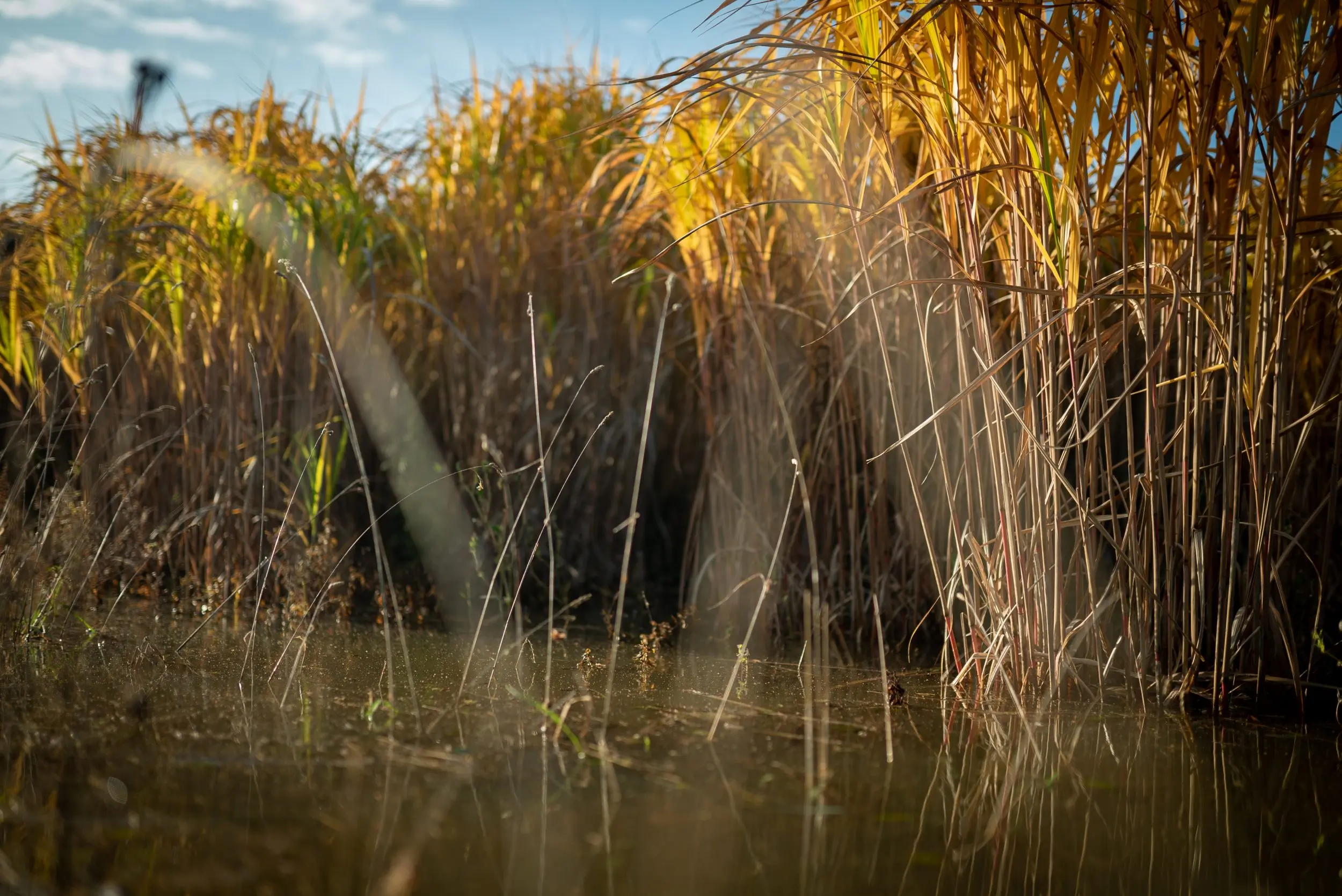
One initiative helping to support this transition is the UK-funded MERIT (Miscanthus Energy for a Resilient and Inclusive Transition) project, led by UK-based crop specialist Terravesta, which aims to support the development of Miscanthus on abandoned and war-affected land.
The resulting Miscanthus biomass will provide a sustainable feedstock for domestic renewable energy generation, advanced construction materials and paper manufacturing, while creating new opportunities for Ukraine’s agricultural sector.
Alongside its research into Miscanthus, the project is examining how it can support gender equality and social inclusion, and what that means in practice for the people involved.
For the women working across the project’s partner organisations, the opportunities are varied. They include project management, precision agriculture, engineering, accounting, fieldwork and the coordination of planting operations.
New opportunities in the field
When the Miscanthus planting season began in Ukraine’s Rivne region in spring 2026, the work created paid employment for local women in a rural community where opportunities are limited.
The spring planting was coordinated by Tetiana Shuberanska, whose experience in agriculture spans more than a decade.
“Trial fields are in remote rural areas, where employment opportunities for women are limited. Local women were recruited to help plant Miscanthus rhizomes by hand, carefully placing them at regular intervals,” explains Tetiana.
“The work provided an additional source of income while allowing planting operations to progress. Importantly, working arrangements were adapted around the realities of family life, with women balancing employment alongside childcare and household responsibilities.
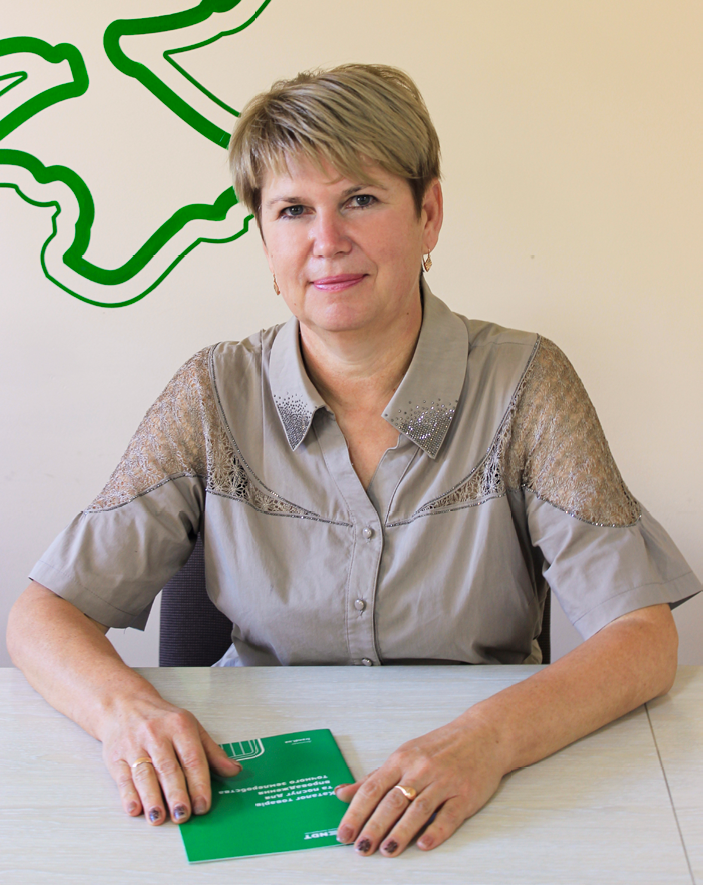
Tetiana believes this flexibility is essential. “With many men away from their communities, women are responsible for both running households, families and earning an income. Providing paid work that recognises those responsibilities can make a real difference.”
The need for women to access new skills extends beyond seasonal planting. Tetiana Zolotarova, MERIT Project Manager at Miscanthus Technology, says the shortage of workers means women are taking on broader responsibilities.
“Traditionally, women in Ukrainian agriculture have often worked in manual field roles, administration, accounting or communications. Now, there is a growing need to train women to manage projects, and operate tractors, harvesters and other agricultural machinery.
“The skills gained through seasonal work and training can also be transferable, helping women access employment elsewhere in the agricultural sector and potentially move into better-paid roles,” says Tetiana.
Creating opportunities beyond the field
For Ruslana Kravchenko, who coordinates MERIT on behalf of project partner, FRENDT, the initiative is about more than developing a new crop. It also presents an opportunity to encourage greater inclusion and create new pathways into agriculture.
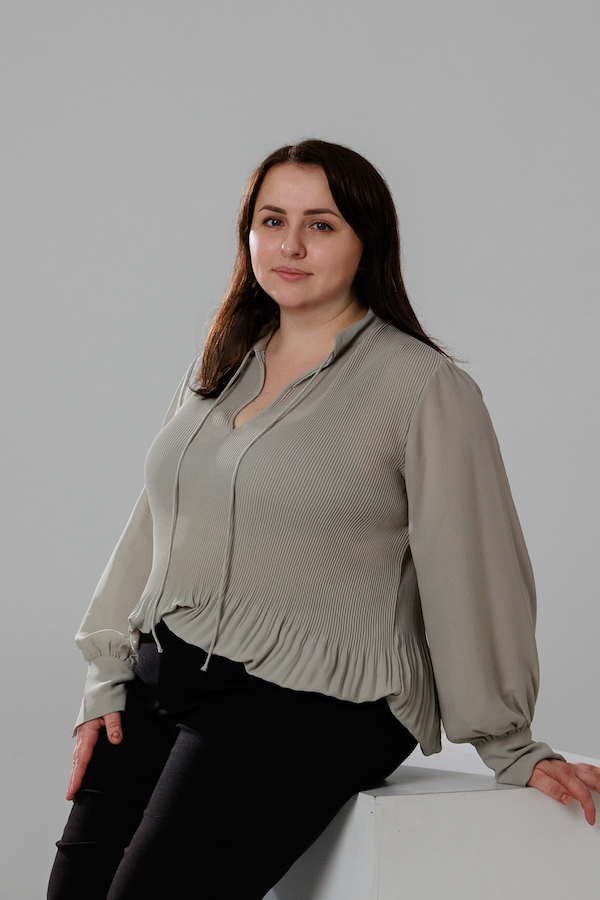
“We want to encourage opportunities for women, particularly in technical and traditionally male-dominated roles, through training and equal access. It’s also important to consider people with disabilities and other groups who may face barriers to employment. In Ukraine, returning soldiers are another important group, and we’d like to see projects like MERIT create opportunities to help veterans transition back into civilian life.
“We also want to raise awareness of Miscanthus, involve farmers from different regions and potentially bring students into the project,” she says.
For Ruslana, the benefits of greater flexibility are personal. As a mother of a young child, she values being able to combine work and family life.
“I’ve been able to continue working while also staying with my small child, and I see that as a very valuable opportunity. Not every mother in Ukraine has that option. Often, you need to arrange and pay for childcare or step away from your career for several years.”
From engineering to precision agriculture
At precision-agriculture business, FRENDT, women are already working across a range of technical and management roles.
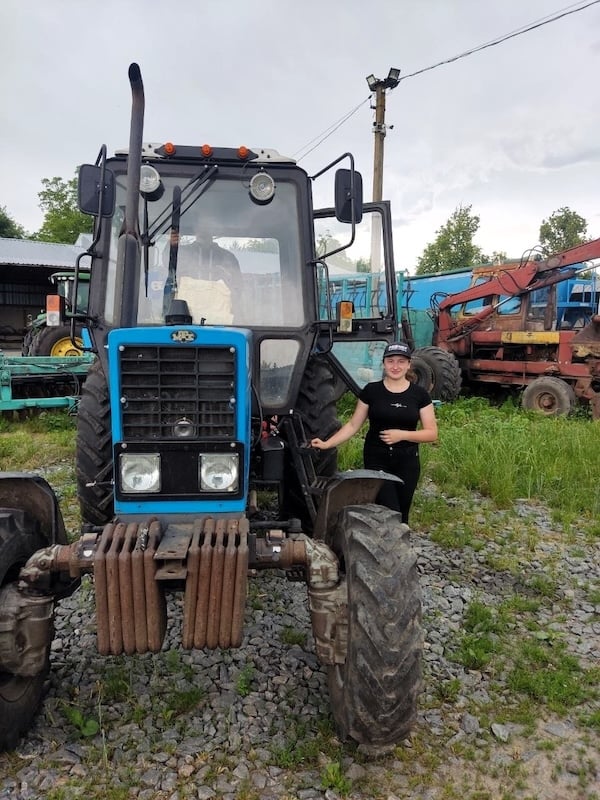
Tetiana Panchuk is a service engineer and the only woman among the company’s engineers. Having studied agricultural engineering, she joined FRENDT following a university placement and now specialises in installing electric autosteering systems on agricultural machinery.
Within MERIT, she has been operating the EcoRobotix ARA, an AI-based precision sprayer that uses cameras to identify weeds and apply herbicide precisely.
Miscanthus requires minimal crop protection inputs after establishment, but weed control is key in its first year of growth.
“More than 30 field visits were made during the summer as the team tested existing machine settings on Miscanthus, a crop for which a dedicated recognition model is not yet available,” she says.
For Tetiana, working with Miscanthus has been a new experience, and she is keen to understand how the crop develops over several seasons. She also sees potential relevance for Ukraine’s energy security, with Miscanthus biomass offering a viable source of heating fuel.

Other women are contributing in less visible but equally important ways. FRENDT’s Chief Accountant, Inna Pavliuk, moved from the public sector into a specialist technology business, learning unfamiliar terminology and systems along the way.
She now plays an important role in the financial reporting and documentation required by MERIT.
She explains that the war has made ordinary professional responsibilities harder. “We live and work under continuous stress. Air-raid alerts and explosions are part of everyday life, but reports still have deadlines, accounting obligations still exist, and we have to keep going.”
Diana Madzharova, Head of Quality Control at FRENDT, plays an important role in developing partnerships and managing international communications. She returned to Ukraine after spending two and a half years abroad following the full-scale invasion.
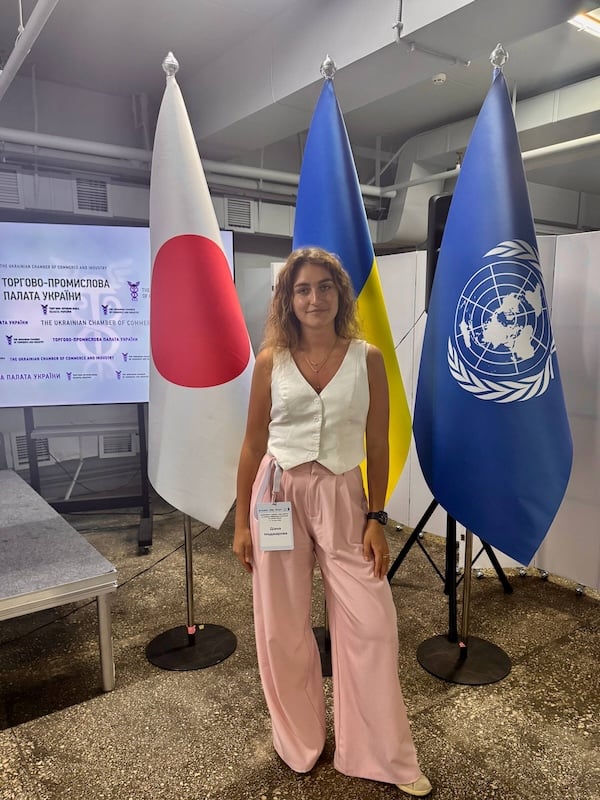
“Finding ways to communicate effectively, build relationships and see that collaborations deliver results is very motivating,” says Diana.
“It’s difficult to make a direct comparison with how things were before the war began, but I do think opportunities for women are changing. As the world evolves, women are finding more opportunities in technology companies and other sectors that may previously have been less accessible.”
Tetiana Zolotarova, MERIT Project Manager at Miscanthus Technology, says the MERIT project is an important step towards Ukraine’s recovery.
“One of the biggest opportunities for Miscanthus in Ukraine is making productive use of marginal and potentially contaminated land, including areas affected by military activity. We’re investigating its potential for phytoremediation, looking at how contaminants behave within the plant and whether the resulting biomass can be used safely. Beyond energy, Miscanthus also offers potential as a source of cellulose for construction boards and other bio-based materials. The project is about understanding which of these opportunities could deliver real value in Ukraine.”
Working through the uncertainty of war
The work takes place against an extraordinary backdrop. Air-raid alerts, explosions, electricity shortages and disrupted sleep are part of everyday life. Field operations can be affected by security risks, while staff shortages mean people often have to take on responsibilities beyond their formal job descriptions.
Tetiana Shuberanska, who managed the field trial planting, describes how, when there is no agronomist available, someone else must go to the field to assess the crop. “If there is no driver, another team member may need to deliver fuel or supplies so machinery can continue operating,” she says.
One of the Miscanthus trial sites is in northern Ukraine, relatively close to the border. A missile incident in the wider area has brought the risks faced by those working there into sharp focus.
Tetiana Zolotarova, MERIT Project Manager, offers a powerful insight into what it means to keep working under these conditions:
“You have to build resilience. For farmers out in the field, when the shelling starts they have to track movements of the drones/missiles via different monitoring channels and then, when the risk for that specific area passes, they simply move on with their farming activity. So, it’s like making one step, then pausing and waiting for immediate danger to pass, then taking another step, and so on.
“Perhaps the most difficult thing is not the exhaustion, the stress, the electricity shortages or even the fear that the next attack could leave you injured or killed. It is reading the news every day about people being killed around you – someone you know, or someone you don’t; children injured or killed. It is devastating.
“Yet alongside this, there are moments of good news, lives saved, art, literature or something else that brings you joy. Devastating news, fear, work, family and moments of hope all exist side by side. The war has become so deeply mixed with everyday life that sometimes we almost stop noticing where one ends and the other begins. But there is nothing normal about it,” says Tetiana.
“Yet we are always conscious of those who are defending all of us and carrying a far heavier burden. That perspective is always with us, even when we speak about our own exhaustion and fear.
“Despite everything, we still have to get up and work, look after our families, love, laugh and live on.”
Building a more inclusive future
For the MERIT partners, gender equality and social inclusion are practical considerations in how the project operates and how the future of Miscanthus might develop in Ukraine.
That means providing training, sharing knowledge, and making sure women can access technical and leadership opportunities. It also means engaging with rural communities, agricultural colleges and students to raise awareness of the crop and its potential.
Miscanthus itself could offer opportunities beyond the field. Ukraine has significant areas of marginal land that may be suitable for the crop, while potential markets include biomass for heating and biogas, cellulose for paper production, and bio-based materials. Research is also exploring how the crop might be used in relation to contaminated soils, including land affected by military activity.
The MERIT project is an InnovateUkraine programme, funded by the FCDO (Foreign, Commonwealth and Development Office) and UK International Development, led by UK based Miscanthus specialist, Terravesta and involving partner experts in their respective fields Miscanthus Technology (farming, biomass processing, commercialisation), FRENDT (remote monitoring and automation), Liverpool John Moores University (agronomy, phytoremediation).
There is much still to learn, and the project’s trials will help establish where Miscanthus can perform and which value chains could be viable.
But the people involved are clear that developing the crop also means developing the skills and opportunities around it.
As Ruslana Kravchenko puts it: “Your skills are not limited by your gender.”
It is a simple message, but one with particular significance in a country where women are being asked to take on more, adapt quickly, and keep moving forward.