Last Updated on October 26, 2026 by Sophie Wilesmith
As a partner in the Centre for High Carbon Capture Cropping (CHCx3) project, Terravesta is helping to develop a consistent framework for measuring carbon removal and storage on farms through crop diversification, focusing on soil carbon testing in Miscanthus fields.
The four growers involved in the CHCx3 work bring different experiences of Miscanthus, from long-established crops planted nearly 20 years ago to fields selected because of challenging growing conditions. Together, their sites offer an opportunity to investigate soil carbon across different soil types, crop ages and farm environments.
Meet the growers taking part in CHCx3 and see how they’re using Miscanthus across their farms, from challenging soils to less productive land. We explore their experience with the crop and the different soil types being investigated as part of the project’s soil carbon research.
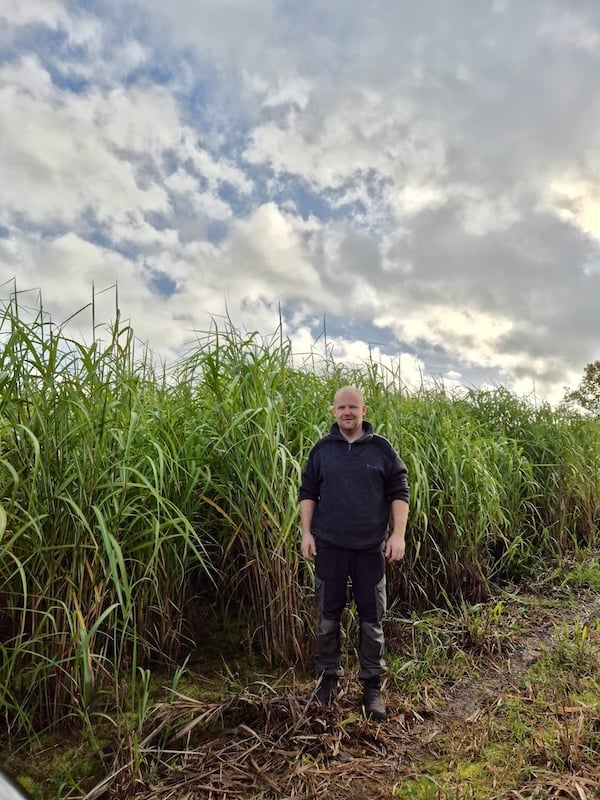
1. Colin Chappell
Total Miscanthus area: approximately 30.7 ha
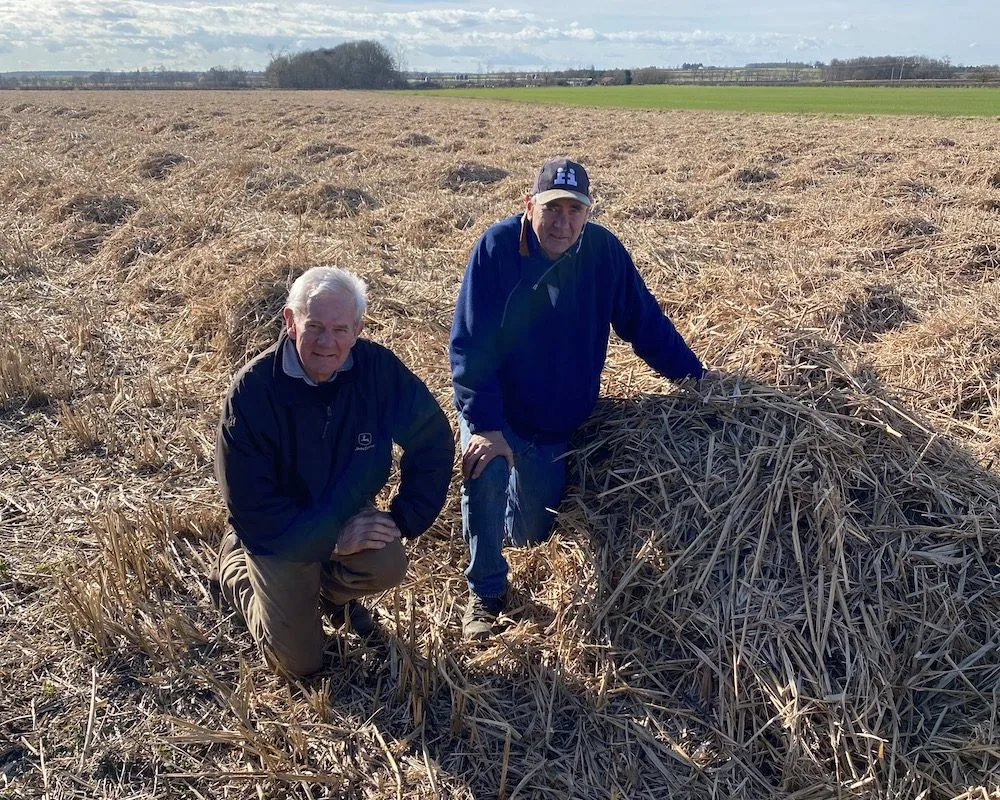
Colin Chappell manages a 645-hectare family farm in Lincolnshire, where his family has farmed for four generations. He has been growing Miscanthus since 2006, when he established 26 ha of Miscanthus giganteus. In spring 2025, he planted a further 4.7 ha of Terravesta Athena on flood-prone, lower-performing land
Colin uses Miscanthus to make productive use of land that is less suited to conventional arable crops, reserving his better fields for food production. His experience includes growing an established crop on challenging land, with the original crop still yielding around 13 t/ha after nearly 20 years, although yields are beginning to decline. He has also seen the benefits of improved planting techniques and newer genetics in crop establishment.
CHCx3 sampling field: Silty clay loam.

2. Bill Lewis
Total Miscanthus area: approximately 30 ha
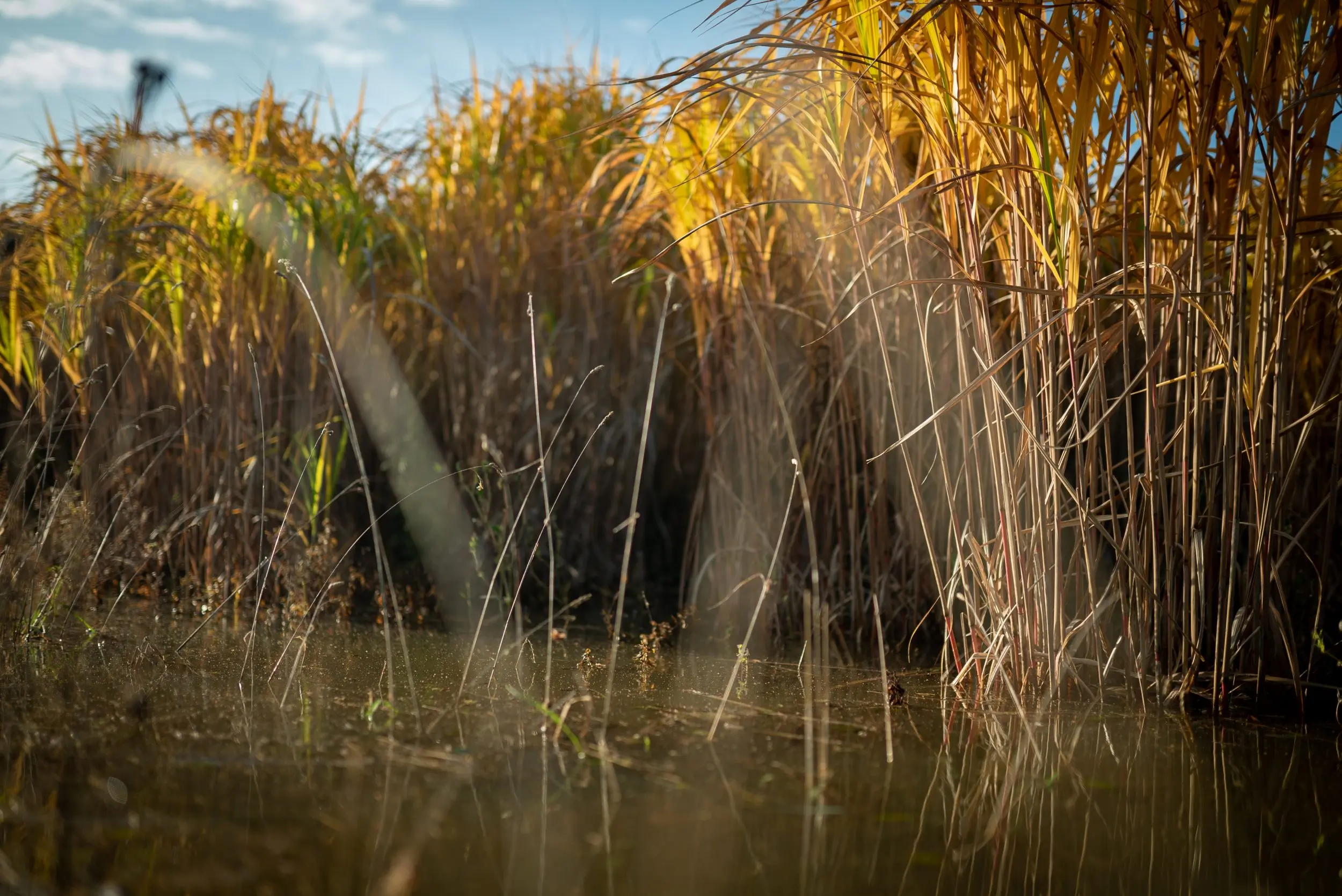
Bill Lewis is an arable and sheep farmer in Norfolk who introduced Miscanthus to land where conventional cropping had repeatedly failed. In 2013, he planted 15 ha on historically poor permanent pasture that was prone to flooding. After achieving around 90% establishment, he planted a further 15 ha in 2015, bringing his established area to approximately 30 ha.
The land is particularly challenging: it lies around 20 feet below sea level and receives drainage from the surrounding area, making it susceptible to waterlogging. Previous attempts to grow winter wheat, sugar beet and linseed had failed, while seedbed preparation and inputs were costly. Bill found that careful establishment was essential, but once established, Miscanthus required minimal ongoing inputs, with no fertiliser and very little crop protection. His experience demonstrates how the crop can provide a productive use for land with significant drainage and establishment challenges.
CHCx3 sampling fields: Sandy loam.
3. Ambrose & Edward Fowler
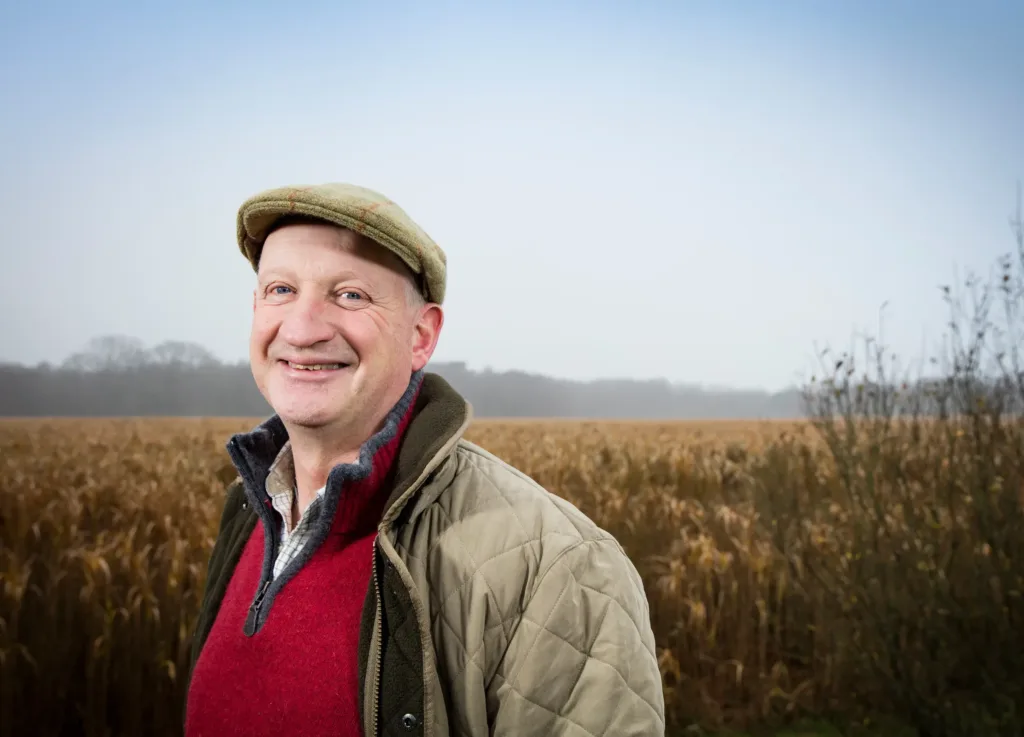
The Fowler family in North Lincolnshire grows 66 ha of Miscanthus alongside 13 ha of short rotation willow coppice, making use of land that is drought-prone and less productive for conventional crops.
Their experience highlights Miscanthus’ potential to perform on challenging land, where limited water availability can restrict other crops. In 2020, their 13-year-old Miscanthus crop yielded 13 t/ha, with yields generally increasing over time despite no fertiliser being applied. Once established, the crop requires few inputs, with only occasional herbicide applications needed before new growth emerges in spring.
The family’s fields provide a valuable opportunity for the CHCx3 project to investigate soil carbon in long-established Miscanthus grown on drought-prone land.
CHCx3 sampling fields: Sandy loam and clay loam.
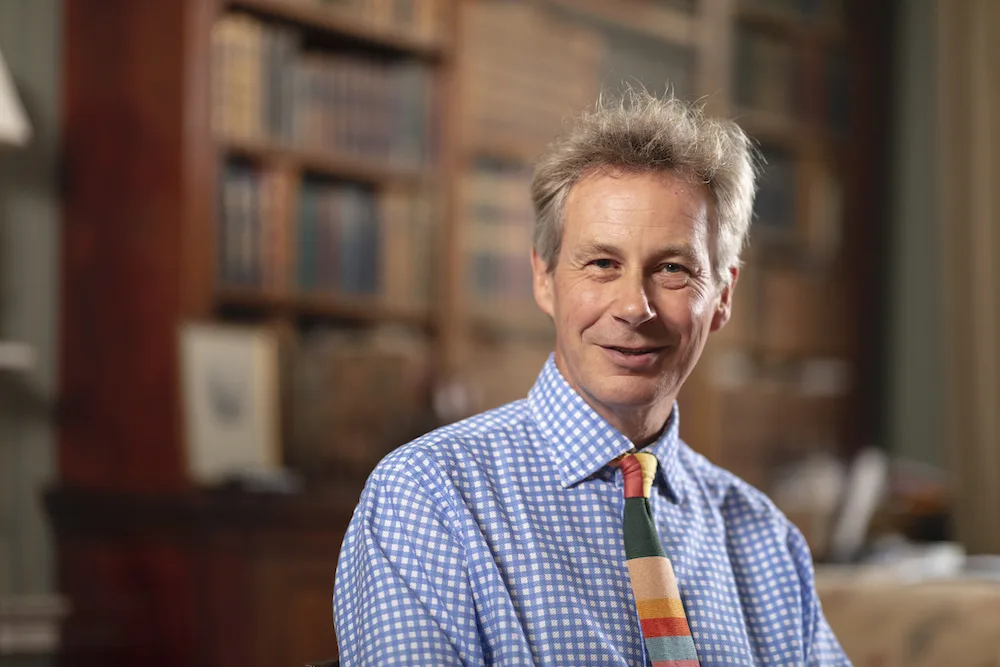
4. William Cracroft-Eley
Total Miscanthus area: 122 ha
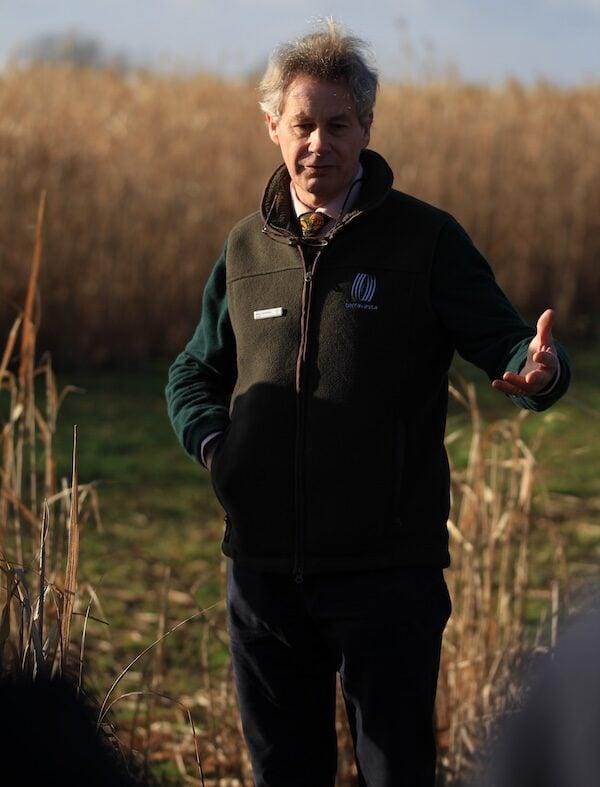
William Cracroft-Eley first planted Miscanthus in 2006 as a way to generate a reliable return from land that was difficult or uneconomic to farm conventionally. Twenty years later, he has 122 ha established across his farm, comprising 60 ha of Miscanthus giganteus planted in 2006, 2007 and 2013, and a further 62 ha of Terravesta Athena planted from 2014 onwards.
Over time, William has used Miscanthus to restructure his farming business, moving less productive or more challenging fields away from conventional arable production. His farm includes clay, sand and limestone soils, and Miscanthus has been established on land affected by issues such as waterlogging, drought, stoniness and awkward field shapes. This has allowed the business to concentrate cereal production on land better suited to arable cropping, while reducing annual input costs and working capital requirements.
His two decades of experience also provide insight into the practical challenges of establishing and managing different Miscanthus varieties across contrasting soils and growing conditions.
CHCx3 sampling fields: Silty clay and clay loam.
Summary of the four growers
| Grower | Total Miscanthus area | CHCx3 sampling soil |
| Colin Chappell | 30.7 ha | Silty clay loam |
| Bill Lewis | Approx. 30 ha | Sandy loam |
| Ian Fowler | 66 ha | Sandy loam and clay loam |
| William Cracroft-Eley | 122 ha | Silty clay and clay loam |
Together, these growers represent a range of Miscanthus cropping histories and soil conditions, from drought-prone sandy land to heavier soils and flood-prone fields. This diversity is relevant to CHCx3 because it provides the context needed to interpret soil carbon measurements across different sites.
To learn more about the project, visit https://terravesta.com/chcx3/