Last Updated on April 28, 2026 by Sophie Wilesmith
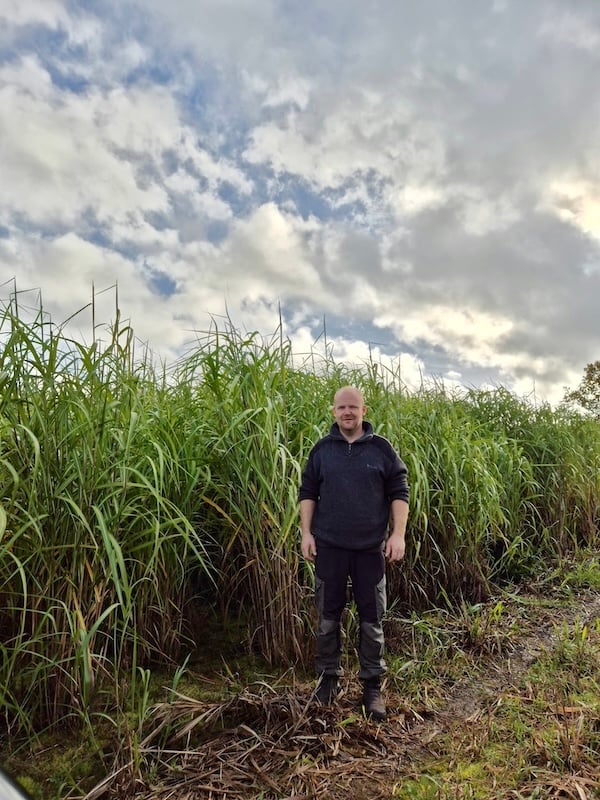
Miscanthus continues to gather pace in Denmark, with strong interest from both growers and policymakers. Terravesta recently met with the Danish Minister for the green transition – Mr. Jeppe Bruus, highlighting just how seriously the crop is now being considered at government level.
Now in its fourth year of planting, Terravesta Denmark is working with almost 100 growers. The business has established local planting capability, contract partners and end-market collaborations with power plants and construction material manufacturers, building a fully integrated supply chain.
Grower interest is being driven not only by market demand, but also by significant changes in the policy landscape.
The Danish government’s Green Tripartite Agreement (Grøn Trepart), introduced in 2024, is reshaping agriculture at scale. Designed to reduce nitrogen emissions and meet 2030 climate targets, it will impact around 390,000 hectares of farmland. A key feature is the classification of land into “green” and “blue” areas, with blue fields, often those near watercourses, facing strict fertiliser restrictions.
For many farmers, this makes conventional cropping increasingly unviable.
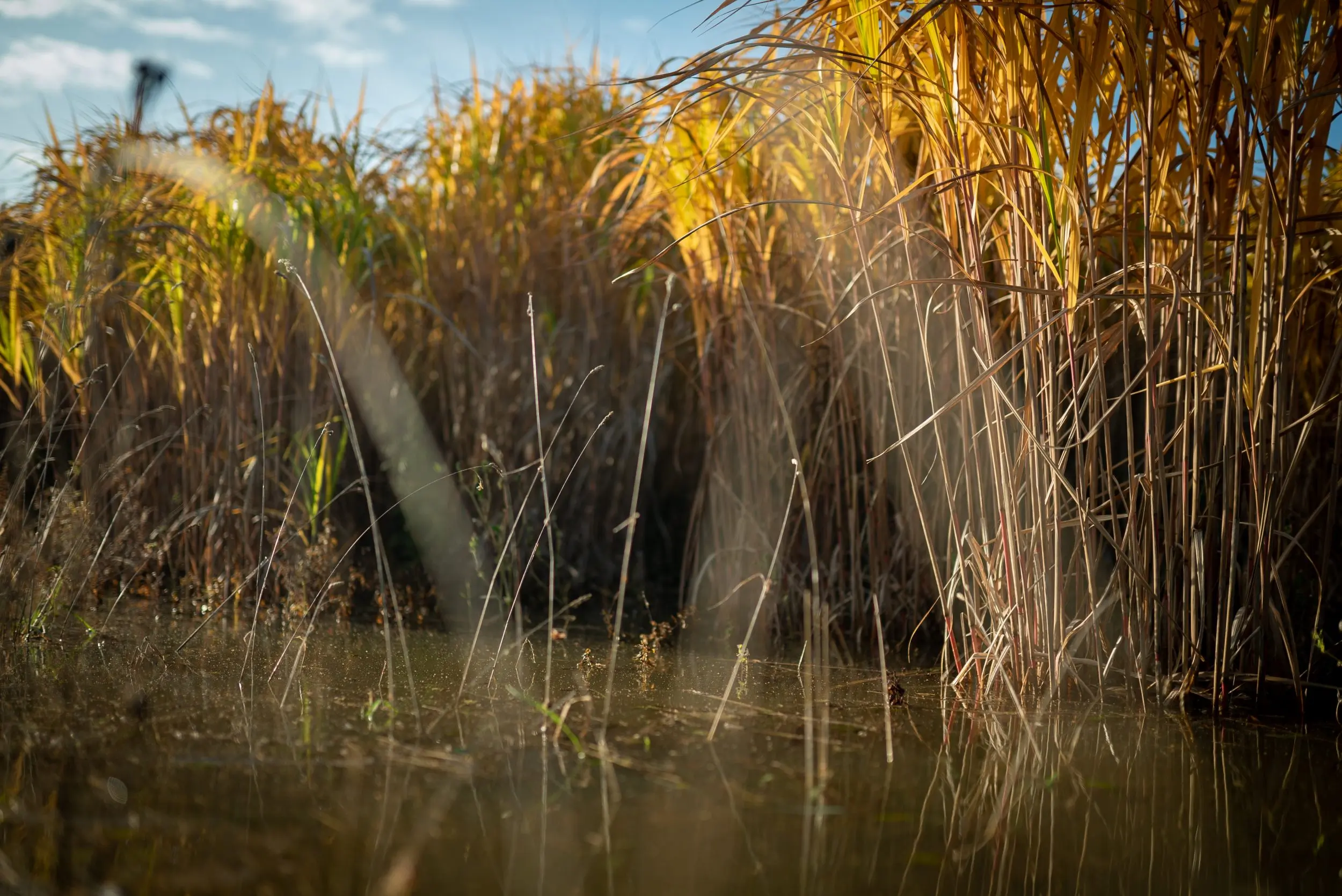
Miscanthus offers a practical alternative. As a perennial crop requiring no fertiliser or chemical inputs once established, it fits naturally into these restricted areas. It provides a reliable income from land that may otherwise fall out of production, while supporting environmental targets by reducing nutrient leaching.
Jacob Nielsen, Danish Miscanthus Manager at Terravesta, says:
“Farmers are looking for solutions that work both economically and within the new policy framework. Miscanthus fits that need, it’s low input, reliable and gives growers a viable option on land where conventional cropping is becoming increasingly difficult.”
With policy, market demand and on-farm benefits all aligning, Miscanthus is quickly establishing itself as a key crop in Denmark’s evolving agricultural system.