Last Updated on May 21, 2026 by Sophie Wilesmith
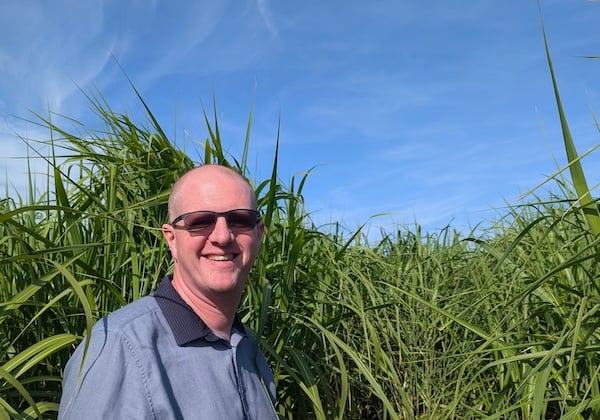
Lincolnshire arable farmer Colin Chappell has been growing Miscanthus since 2006, when he established 26ha of Miscanthus giganteus. In spring 2025, he planted an additional 4.7ha of Terravesta Athena on flood-prone, lower-performing land alongside the older crop.
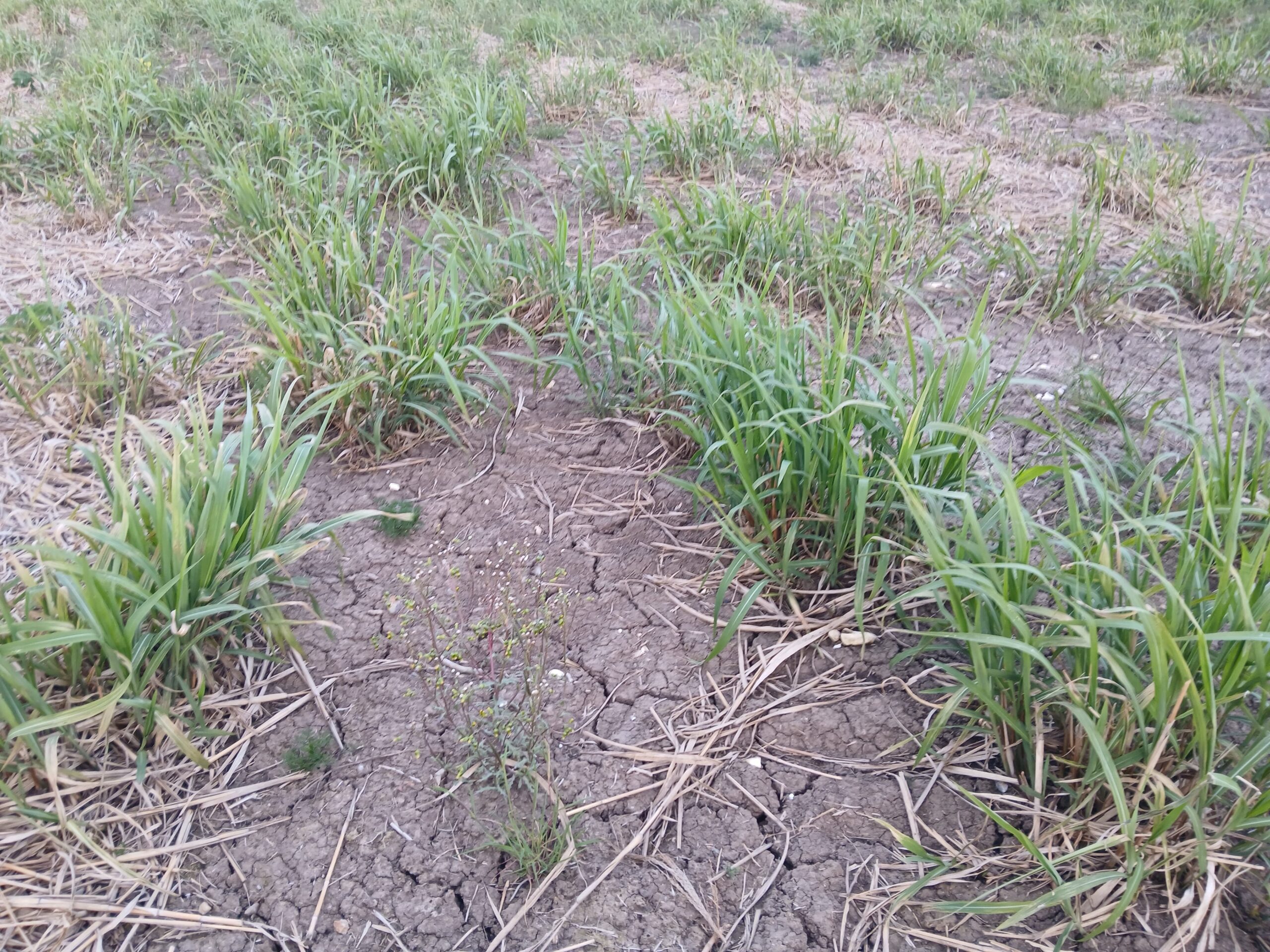
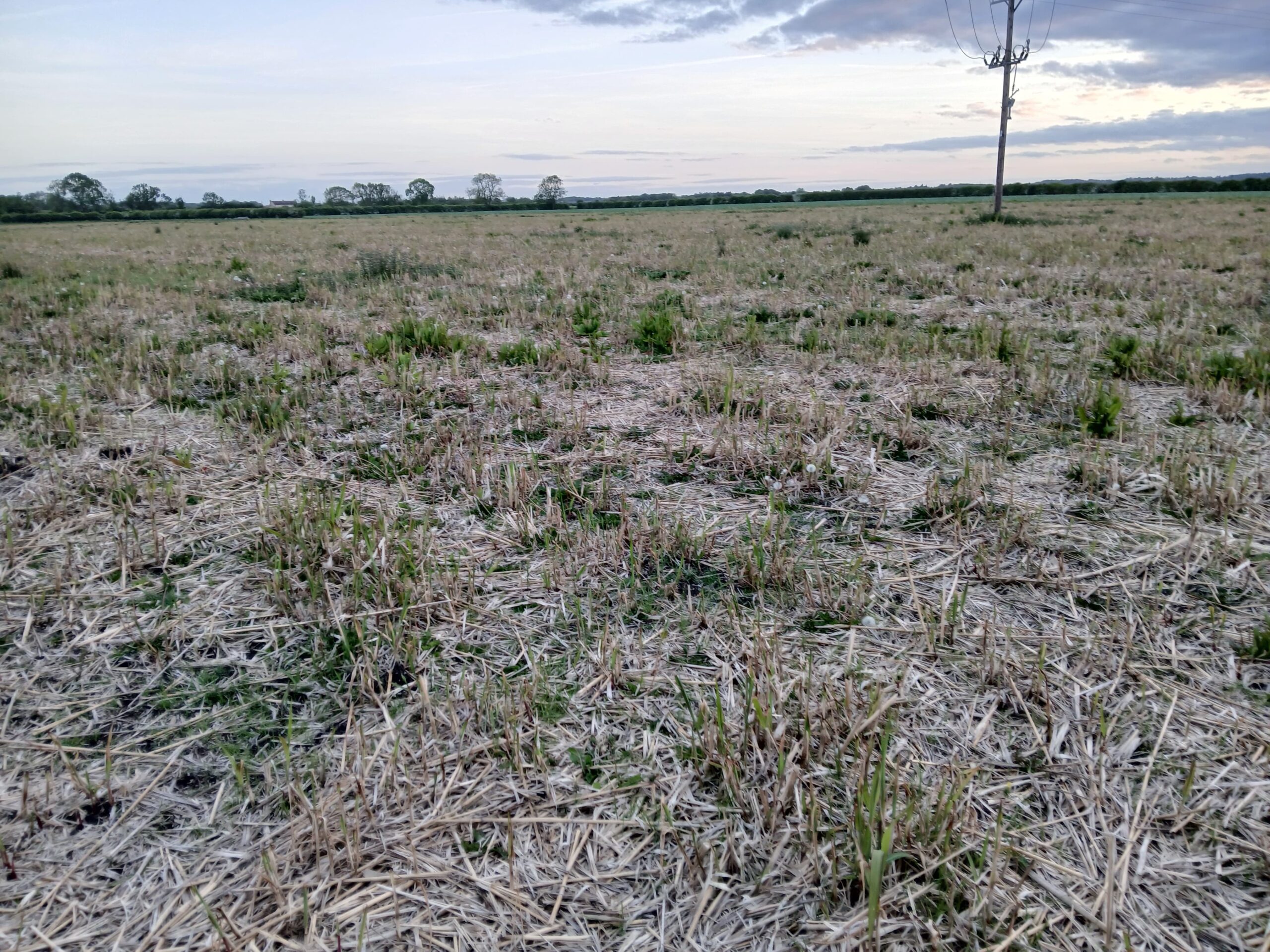
This season, the difference between the two varieties is already clear, with Athena emerging noticeably faster than the older giganteus crop.
“We grow food on the better land and farm Miscanthus on the less productive land,” explains Colin.
The decision to invest further in Miscanthus followed an extremely challenging 2024 season, when severe winter flooding left 85% of the farm unplanted by mid-April. “Of the nine winter crop fields we managed to plant, only five and a half survived, forcing a switch to spring cropping following widespread seed shortages.
“Miscanthus offers numerous advantages, including long-term financial security, robust markets and environmental benefits,” says Colin. “You have to take a long-term view and look at the guaranteed returns from an upfront investment.
“It provides an income every year with next to no inputs once established.”
Alongside the financial benefits, Colin highlights the environmental value of the crop.
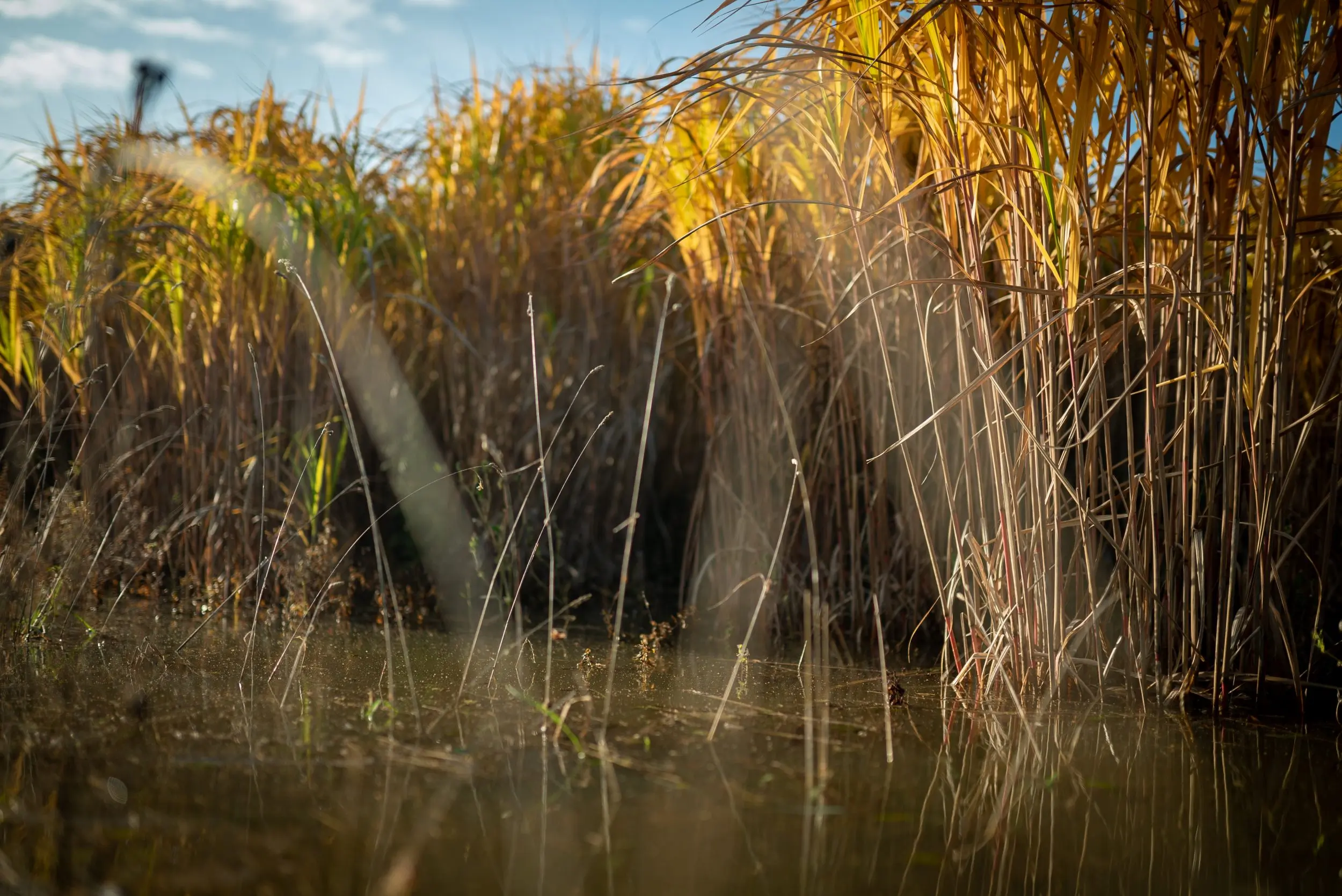
“The Miscanthus fields teem with wildlife, including reed buntings, reed warblers, redshank, curlew, linnet and deer, while minimal soil disturbance benefits countless underground species. It’s also a valuable carbon sink.”
Terravesta Athena™ is a carbon-negative crop, proven to capture 0.64 tonnes of carbon (2.35 tonnes CO₂e) per year in the soil.
Colin supplies his crop to Terravesta, which supplies the nearby Brigg Renewable Energy Plant with whole bales from less than a mile away.
According to Terravesta, 10ha of Miscanthus can generate enough electricity to power 55 average homes annually. A grower with 25ha could effectively supply enough renewable electricity for an entire village.
“This is a long-term solution,” says Colin. “SFI schemes are all well and good, but they’re a short-term fix. Miscanthus is supplying sustainable, carbon-negative energy to local homes and it’s unaffected by price and weather volatility.”
Now farming a 485ha carbon-neutral arable business, Colin says Miscanthus continues to deliver across the board.
“It ticks a lot of boxes. Environmentally it’s fantastic for the farm, it supplies a local market, provides a reliable long-term income and I never worry about blackgrass because the canopy completely outcompetes it.”
His original 2006 giganteus crop still yields around 13t/ha on poorer land, although performance is beginning to decline after nearly 20 years. Newer crops, however, are expected to exceed 15t/ha thanks to improved rhizome quality and planting techniques, with establishment rates now reaching 90%.
“I’ll gradually replace some of the older giganteus,” he adds. “It’s still performing, but yields are starting to wane.”